


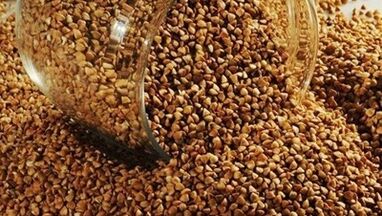
The buckwheat diet is a one-product method of getting rid of extra pounds, which does not provide restrictions on the amount of cereals consumed, while promoting intense weight loss and cleansing of the body.
To avoid the appearance of fat deposits in the tissues, organs and subcutaneous tissue, it is necessary to immediately combat excess weight.An increase in body weight of 8 kg or more is considered a call to action.
Currently, one of the most popular methods of losing weight quickly is the buckwheat diet.Unlike most mono-diets, it does not cause the development of an acute sense of hunger, which makes it relatively easy to lose weight.
Types of buckwheat diet
The effect of the method is based entirely on the benefits of buckwheat;it is a dietary product, despite its high calorie content, which helps purify the body.
It is indicated for hypertension, atherosclerosis, vascular diseases, dental diseases, swelling of the extremities, liver diseases, gastrointestinal tract, diabetes mellitus, coronary heart disease.
If you need to lose up to 3-4 kg in the shortest possible time, the optimal choice is a buckwheat diet for 3 days, up to 6-8 kg - the duration should be increased to 7-10 days, and with 12 kg of excess weight it is necessary to carry out a "full cycle", designed for 14 days.
Varieties of this diet
- Strictly buckwheat.It involves eating only steamed cereals three times a day and drinking plenty of water - up to 2.5 liters of purified water and green tea.It is this method that is used to build Pelageya's buckwheat diet, which is in great demand among show business stars.Its duration varies from 7 to 14 days.
- Kefir-buckwheat.Unlike the diet of the first type, this method allows the intake of a lactic acid-based product with a fat content of no more than 3%.Buckwheat in combination with kefir has a healing effect on the body: it removes toxins, restores the balance of microelements, and also contributes to the normalization of the functioning of all gastrointestinal organs.That is why this diet is widely used not only for weight loss, but also for medicinal purposes.
- Light buckwheat.This nutritional system is the most balanced and gentle for the body.The main types of the light method are: “buckwheat curd diet”, “buckwheat dried fruit”, “buckwheat vegetable”, “buckwheat apple”, “oat buckwheat”, “milk buckwheat”, “watermelon buckwheat”, “buckwheat cucumber”.Each of them has some pros and cons.
Universal products that can be included in the daily diet following a light cereal diet are: parsley, dill, onion, boiled egg, low-calorie yogurt, low-fat cottage cheese (up to 20 g), honey (no more than 1 teaspoon), boiled vegetables.The consumption of fruit is allowed, with the exception of cherries, cherries, dates, bananas and grapes.
The fundamental factors in choosing a technique are: health status, age, the number of "extra" kilos to lose and the period of time needed to lose weight.
The buckwheat diet is perfect for both men and women, while the daily diet of the stronger half of humanity should include 150 g of lean meat (boiled turkey or chicken fillet).
The benefits of buckwheat
Grains are an important part of a healthy diet.Among the wide variety of cereals, the healthiest are: oatmeal, wheat, semolina, rye, rice, pearl barley, barley, corn and couscous.However, despite the undeniable advantages and medicinal properties of each of them, the undisputed leader in the amount of macro-, microelements and minerals is buckwheat porridge (“black rice”).In addition to saturating the body with nutrients, it helps eliminate toxins at the cellular level and cleanse the stomach.
Let's take a closer look at the composition of buckwheat at the “micro” level, as well as the effect of the elements on human health.
- Vegetable proteins – 16%.The presence of this component allows you to replace the “building” material of animal origin, which, as a rule, enters the human body from seafood, fish and meat products.That is why a buckwheat porridge diet is perfect for vegetarians who constantly experience protein deficiency in the body.
- Arginine, lysine.These amino acids actively participate in the construction of cells and also have a direct effect on metabolism at the micro level.
- Fiber – 1.3%.
- Natural sugar – 2.5%.
- Fatty acids – 3%, help normalize metabolic processes.
- Starch – 70%.
- Minerals: iron, magnesium, cobalt, iodine, calcium, potassium, zinc, selenium, phosphorus, sodium, boron, manganese.
- Citric, malic and oxalic acids improve metabolic processes.
- Complex carbohydrates – 30%, are intended to nourish and provide energy to the body.
- Vitamins of groups A, E, B, PP.
Despite the high nutritional value of buckwheat (up to 350 kcal per 100 g), the beneficial substances included in its composition act as a catalyst of metabolic processes, promoting rapid weight loss.
Therefore, in a week of eating porridge, without adding other foods to the diet, and even if you follow the recommendations of the method, weight loss will be 6-8 kg.
Advantages of the buckwheat slimming method
Despite the high nutritional value of cereals, this slimming method, like any other, has strengths and weaknesses.For example, in addition to weight loss, the benefit of the buckwheat diet for the body is to have a therapeutic effect on the cardiovascular system.However, after leaving it, an intense absorption of energy substrates occurs in the gastrointestinal tract, which can lead to a rapid return of lost kilos.
The advantages of this method of losing weight
- Ease of preparing porridge.
- Affordable price of cereals.
- High efficiency.On average, in the absence of physical activity, weight loss results are minus 10 kg in 10 days.
- Possibility of use among vegetarians.
- It retains many nutrients after cooking.
- Quickly satisfies the feeling of hunger.
- Cleanses the liver.
- Improves the appearance of the skin.
Disadvantages of the cereal-based mono-diet
The key to good health is a correct and balanced diet.However, there are situations when it is necessary to lose excess weight in a few days.In most cases, a mono-diet, the principle of which is based on the consumption of one product for a given period, will help you intensely lose weight in just 3-14 days.However, despite the high efficiency of such a nutritional system, the technique has some disadvantages and contraindications.
Disadvantages of the “buckwheat” method of losing weight
- Increases in fatigue, weakness, and headaches occur.If these phenomena appear and persist for 2 days, you should not continue the weight loss process with the cereal method.In this case, it is better to give preference to spending a fasting day on a buckwheat diet.
- Strict restriction of products consumed.For example, a strict buckwheat diet for 10 days involves taking exclusively steamed buckwheat, plain water, herbal decoction and green tea.
- Rapid adaptation of the body.As a rule, after 14 days of mono-cereal diet, those who lose weight often have questions about "why kilograms do not fall", "why the weight has gained", "how to speed up the process."The reason for the slowdown in weight loss is that the body gets used to the product consumed.That is why nutritionists do not recommend increasing the duration of a strict monodiet, since in addition to not achieving the desired result, there is a risk of exhaustion of the body and failure to absorb the ingredient.
- Reduction in blood pressure.
- Lack of minerals, macro, microelements.This deficiency can be compensated by taking complex multivitamin preparations.Otherwise hypovitaminosis occurs.
- Increases the risk of exacerbation of chronic diseases and problems with the gastrointestinal tract.
If after carrying out the entire course of the method (buckwheat diet for 2 weeks) the weight is still far from the norm, to avoid exhaustion of the body, you can continue this slimming system only after a month.Otherwise, the risk of causing serious harm to health increases several times.
Contraindications
Since any change in diet represents stress on the body, before you start losing weight, you should evaluate your physical health and consult your doctor.
Due to the poor diet and the lack of a large amount of vitamins and minerals for the full development of the child, it is strictly forbidden to practice the buckwheat diet during pregnancy and breastfeeding.
To avoid deterioration of health, it is forbidden to practice the buckwheat method of losing weight if you have the following diseases:
- diabetes mellitus;
- stomach ulcer;
- pronounced menopause phenomena;
- intestinal disorders;
- gastritis;
- hypertension;
- problems with the cardiovascular system.
Also, a strict buckwheat diet without kefir and vegetables is contraindicated during breastfeeding, in children and adolescents, as well as in people who need increased concentration of attention during the day (surgeons, drivers, jewelers), since the lack of glucose contributes to a decrease in brain performance, which leads to distraction and lethargy.
You should practice this technique with extreme caution when the hemoglobin content in the blood is low or stomach acid increases.
Recommendations for following the buckwheat diet
If you follow a strict nutrition plan, the daily menu will look like this:
- breakfast— herbal decoction of corn silk or unsweetened green tea, a portion of buckwheat porridge;
- lunch– purified natural water, a portion of buckwheat polenta;
- dinner– unsweetened green tea, a portion of buckwheat porridge.
The evening meal should be eaten 5 hours before.before going to bed.
Let's take a closer look at how to properly follow a buckwheat diet.
- Cook cereals properly.Contrary to popular belief, “black rice” should not be cooked immediately before consumption, but should be poured in the evening with boiling water, adding 1 teaspoon.olive oil, cover with a towel and leave to rest overnight.Due to the absence of heat treatment on the fire, the cereal retains all the nutrients that enrich the body with useful elements.
- Drink lots of water.The amount of fluid consumed per day during the weight loss period should exceed 1.5 liters.
- Limit your salt intake.
- Eat food at least 5 hours before going to sleep.
- Avoid using spices, sauces, ketchup and mayonnaise.
During the period of adhering to the method, if severe headaches, lethargy or malaise occur, it is allowed to use a special decoction: mix 1 tsp.honey and 200 g of water.Taking glucose will eliminate these symptoms without slowing down the weight loss process.
Frequently asked questions
How much do you lose on the kefir-buckwheat diet?
The result of weight loss directly depends on the amount of excess weight, individual characteristics of the body, adherence to the diet and the duration of the technique.On average, in 7 days you can get rid of 3-6 kg, in two weeks - 10-12 kg.
How long can you follow a buckwheat diet?
The maximum duration of a strict mono diet is 14 days, a light diet (buckwheat and vegetable diet) is 30 days.
What can you eat on a buckwheat diet?
If you follow a strict mono-diet, in addition to porridge, you can take water and green tea.A light buckwheat diet for 30 days involves the inclusion in the diet of a moderate amount of lactic acid products, namely 2% kefir, low-fat cottage cheese and easily digestible low-calorie fruits and vegetables with a high content of fiber and water.These include: cucumbers, cabbage, radishes, carrots, celery, spinach, zucchini, tomatoes, beets, oranges, apples, peaches, pears, kiwi, raspberries, gooseberries, strawberries, lemon, quince, watermelon.
How to cook buckwheat?
First of all, you need to separate the cereals and rinse them in a colander, then pour them into a saucepan and pour boiling water over them, based on the ratio of 1:3 (buckwheat: water).If the amount of liquid is reduced, for example to 1:2, the porridge will acquire a grainier structure.Thanks to this, you can vary the consistency of buckwheat depending on individual preferences.After combining the cereal with water, to steam the porridge, the pan should be covered with a lid, carefully wrapped with a large rag and left for 4-5 hours.After this time the product is ready for use.
In the process of preparing dietary buckwheat for weight loss, it is important to avoid the addition of spices, sugar, salt and sauces.
How much buckwheat can you eat on a buckwheat diet?
The amount of cereals consumed is unlimited.It is necessary to eat porridge in such an amount that it helps to satisfy the feeling of hunger.At the same time, the last intake of the product before bedtime should be at least 5 hours.
How often can you eat a buckwheat diet?
No more than three times a day.
How not to gain weight after a buckwheat diet?
To avoid regaining the lost pounds, you should limit the consumption of baked goods and fatty and spicy foods.The exit from the buckwheat diet should be gradual, that is, familiar foods should be introduced into the diet one per day.During the first 3-4 days, in addition to eating porridge and kefir, you can eat low-calorie fruits, lean meat (chicken, turkey, veal) and vegetables.After 10 days, the list of acceptable products can be expanded.However, you should strictly control the amount of food consumed per day.
Will the buckwheat diet help you lose belly fat?
After gaining excess weight, fat is deposited in the chin, thighs, buttocks, abdomen, mammary glands and limbs.During weight loss, as body weight decreases, “excess” volume disappears throughout the body, especially from the abdomen as well.
Is it possible to eat vegetables on a buckwheat diet?
If you follow a light weight loss method, you can add low-calorie vegetables to your diet.
Is it possible to drink coffee during the buckwheat diet?
In the process of weight loss, it is better to replace this drink with green tea.
Modifications of a light buckwheat nutritional system
Nowadays, depending on additional products and restrictions, there are many options for a grain-based diet.
- Buckwheat diet with cucumbers.Perhaps this is the most common way to lose weight quickly.The buckwheat and cucumber diet is one of the most effective, as it allows you to lose up to 14 kg in 14 days.The principle of the method is based on the daily consumption of 1 kg of cucumbers, 1 glass of cereals, 2 liters of water, 2 cups of green tea and 250 mg of kefir at night.
- Watermelon and buckwheat diet.This weight loss system is seasonal and should be practiced during the ripening period of the "striated" berries (August-September).At the same time, the amount of nutrients in watermelon is several times greater than in other vegetables and fruits.The duration of the technique can be up to 7 days, and weight loss during this period can be 3-4 kg.The instructions for proper nutrition are as follows: a watermelon and buckwheat diet for 5 days involves the consumption of a salad of green vegetables for breakfast and lunch, lean buckwheat porridge (200 g) and for dinner a portion of watermelon at the rate of 1 kg of "striped" berry pulp per 30 kg of weight.
- Buckwheat - apple diet.Using this technique allows you to get rid of up to 7 kg per week.Its principle is as follows: eat 0.8 kg of apples and 150 g of buckwheat porridge every day, drink 1.5 liters of clean water and exercise.However, despite the effectiveness of this method, it should not be practiced in case of diseases of the gastrointestinal tract, liver, kidneys and pancreas.
- Oatmeal - buckwheat diet.A cereal diet is perfect for opponents of the mono-diet.On average, if you follow this technique, you can eliminate 4 to 8 kg in 7 days.The principle of the diet is to alternate the consumption of cereals, for example in the morning and in the evening - eat a portion of buckwheat, in the afternoon - oats.Due to the gentle effect of cereals on the body and the high content of macro- and microelements they contain, this technique can be practiced even in cases of serious gastrointestinal diseases (for example, ulcers).
- Buckwheat diet with kefir.
- Buckwheat - plant-based diet.
Given the widespread popularity of the last two weight loss methods, let's look at them in more detail.
Kefir-buckwheat diet
This system is a great way not only to lose weight, but also to remove harmful substances from the body, cleanse the skin, improve digestion and eliminate constipation.Kefir is a source of calcium, protein, vitamins A and B, which help balance a low-calorie diet.In addition, the fermented milk drink contains a large number of bacteria - prebiotics necessary to restore the intestinal microflora.That is why, when following the kefir-buckwheat diet, it is important to pay special attention to its choice.
If you are prone to heartburn, you should give preference to a 2% drink a day;if you have increased gas formation, you should give preference to a low-fat three-day product.
As a rule, the buckwheat kefir diet is designed for a week.However, its duration directly depends on the amount of excess weight.If you need to lose up to 4-5 kg, it takes 3-5 days, up to 8-10 kg - 7-10 days, from 10 kg - 14 days.
Kefir-buckwheat diet for 3 days
- Day n.1.During the day you can drink only 1.5 liters of low-fat kefir.
- Day n.2.Distribute a glass of steamed buckwheat in three doses and drink 250 ml of water 30 minutes before and 1.5 hours after the meal.At night – 150 ml of lactic acid drink.
- Day n.3.During the day, alternate taking buckwheat porridge (up to 200 g), low-fat kefir and water.The interval between consumption of products should be at least 1 hour.
An important condition for this technique is to consume no more than 1 liter of kefir per day.In this case the liquid should be drunk 30 minutes before meals/1 hour after meals.Otherwise, the simultaneous consumption of cereal porridge and fermented milk products will nullify the result of weight loss.
Buckwheat - plant nutritional system
The logical conclusion of the seven-day buckwheat and kefir diet is the buckwheat and vegetable diet, designed to stabilize and consolidate the result.
The fundamental rules of this nutritional system are:
- drink 1.5 liters of water a day;
- the portion must not exceed 200 g;
- exclude sugar, salt, baked goods from the diet;
- limit honey consumption to no more than 2 teaspoons.per day;
- have dinner no later than 6.00 pm;
- Walk every day for 30 minutes.
Light diet based on buckwheat for 7 days with the addition of vegetables
Day n.1
- breakfast - fresh cabbage salad with carrots, seasoned with lemon juice, buckwheat porridge;
- lunch – 1 boiled egg, vegetable puree soup;
- dinner - a portion of vinaigrette, dressed with olive oil.
Day n.2
- breakfast – salad of tomatoes, spinach, cabbage, steamed buckwheat;
- lunch - vegetable stew;
- dinner - dessert based on kiwi, orange and ricotta.
Day n.3
- breakfast – pumpkin cooked in lemon juice, steamed buckwheat;
- lunch – lean borscht, white fish fillet;
- dinner – stewed cabbage with prunes.
Day n.4
- breakfast – asparagus, vegetables, buckwheat porridge;
- lunch – vegetable stew, chicken fillet;
- dinner – 2 cooked apples.
Day n.5
- breakfast - salad of broccoli, onions, tomatoes, dressed with olive oil, buckwheat porridge;
- lunch – fish soup, flounder/hake/pollock fillet;
- dinner - orange fruit salad, grapefruit, pineapple, kiwi.
Day n.6
- breakfast – buckwheat porridge, beans, cucumbers;
- lunch – 1 boiled egg, lean soup;
- dinner – pumpkin porridge, grain-free.
Day n.7
Juice.During this day, you should drink 1.5 liters of freshly squeezed vitamin drink (for example, apple or orange), diluted with 1.5 liters.waterfall.Therefore, fluid consumption per day will be 3 liters.You can choose a fruit or vegetable based on personal preference, with the exception of grapes and tomatoes.
If a strong feeling of hunger occurs, a spoonful of honey, an apple or a salad of vegetables and cabbage will help to dull it.
To make the exit from the buckwheat diet as painless as possible for the body, you should include no more than 1 piece of familiar food in your diet per day.
Physical exercises will help improve weight loss results and pump up muscles: squats, push-ups, forward lunges, planks, bicycle crunches, leg raises, circular rotations of the body, jumping up a hill.
Buckwheat diet for oncology
The real plague of the 21st century is cancer, which claims the lives of over 14 million people worldwide every year.
A famous oncologist has developed a technique based on the consumption of buckwheat, which promotes the death of cancer cells and prevents their proliferation.
The buckwheat diet prohibits the consumption of the following foods:
- alcohol;
- salt, sugar, spices, sauces;
- baked goods;
- carbonated drinks, store-bought juices;
- sweets, cured meats and dairy products;
- conservation;
- smoked meats, red meats;
- vegetable oils, except olive.
The buckwheat diet in oncology consists of two phases, which differ in nutritional pattern and duration.Violation of one of them leads to a decrease in the effectiveness of the technique.
Phase no.1
The duration of this period is 50 days and he has a strictly limited diet.
The daily food plan (breakfast-lunch-dinner) in the first phase is as follows:
- 1 tbsp.the.mixtures (rosehip flour + water + honey) – 30 minutes before each meal;
- boiled buckwheat porridge 200 g, 1 tbsp.wheat bran;
- 80 raisins and green tea (1 hour after the meal).
An important condition for the technique is to drink plenty of water (from 8 glasses of water per day), and the interval between drinking liquids and food should be at least 1 hour.
Phase no.2
The duration of the second period is 6 months.
The following products can be included in the diet:
- nuts, legumes;
- figs, dried apricots, dried plums;
- carrots, cabbage, tomatoes, cucumbers, courgettes;
- cherries, cherries, plums, grapes, apricots;
- blackberries, raspberries, currants, blueberries;
- boiled fish, no more than 100 g/day.
Second period menu:
- on an empty stomach – 1 tbsp.the.“honey-tipped” mixture;
- breakfast (after 30 minutes) - raisins 60 g, oatmeal 200 g, black bread 50 g, bran 1 tbsp.l., green tea;
- second breakfast – grapes;
- before lunch (30 minutes) - 1 tbsp.the.“honey-tipped” mixture;
- lunch – bean soup or buckwheat porridge 200 g, fresh vegetable salad 150 g, juice 250 ml, boiled chicken 150 g;
- dinner – raisins 50 g, nuts 5 pieces, stewed vegetables 150 g, green tea.
Compliance with the above recommendations will significantly increase the chances of recovery.
The result of weight loss directly depends on the effort made.If you follow the nutrition plan, the rules for preparing cereals and the basic recommendations of a mono-diet, the result will not be long in coming and, rest assured, it will exceed all your expectations.